The traditional way to install composer is to download it from composer.org using “curl”, pipe it into PHP and then place the resultant file in your path while also making it executable. Simple enough to script! Then comes the need to create and initialize a project so the vendor directory and required PHP packages are …
Recover a crashed Linux 8.10 VM
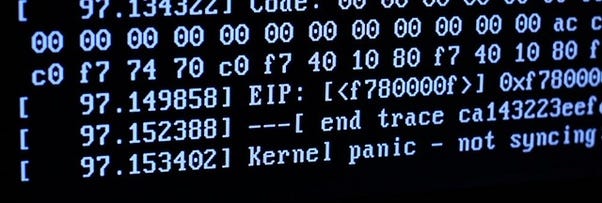
If a RHEL/Oracle Linux 8 VM fails to boot with no bootloader found then try the following: Virtual Machine – Log into vCenter, select VM and edit the VM settings You will need to Boot into the Rescue mode. Setup Networking: Re-install grub2-efi boot loader VM should boot into Grub2 menu, if not, investigate the …
Randomizing CRON start times in Saltstack
I’ve recently started using scheduled jobs to initiate highstates after building a SaltStack Engine than can track the progress of the jobs and I did it that way to de-couple the highstate from anything else. However the HPC stack I manage has a lot of nodes that would have started Highstating at the same time …
Managing LVM Storage

For most server environments you are going to have a disk for the OS and possibly a disk for additional data. And in most cases, you would define the layout of the disks in a kickstart file using Logical Volume Manager (LVM). LVM is a robust mechanism to achieve this and is fully supported in …
Managing Files
Controlling files on a Salt Minion is a common operation that SaltStack does well. The basic principle is that if the file is changed on the Minion, then a state run should return it back to a known State as dictated by the Salt Master. Files can be static objects that the Master just downloads …
Managing CRON via SaltStack

One of the key messages this guide aims to emphasize is “simplicity”. Hand in hand with “simplicity” is “Visibility”, if you can see something related to a State then you can get a better idea of the implications the State will have. One of the powerful features of the UNIX environment has been the CRON …
Using the Salt Stack Scheduler
Overview SaltStack provides a built in scheduling system that allows you to run any functions you could run in a state file. Of particular interest in this article is using the scheduler to periodically run highstates on a Salt Minion and a couple of the management tools to list and remove those scheduled jobs. Prerequisites …
EFI Booting RHEL/Centos/Oracle Linux 8+ Environments
When building new Virtual Machines (VM’s) in a corporate environment, it’s preferred to built them with a Standard Operating Environment (SOE) and while you can do this manually by attaching an ISO image and selecting options, it’s far more productive to do this using a kickstart script so you can achieve repeatability and adhere to …
Using PVMOVE
LVM is one of the main stay storage technologies in almost all Linux installations and while adding a Logical Volume (LV) is common, migrating an LV is a task that many System Administrators baulk at. Over time, most Linux Systems that have growing storage needs tend to suffer from add-hoc storage allocation which results in …
Configuring a low memory VPS for NGINX, PHP-FPM and MariaDB.

I recently moved this web site and a dozen others to a new VPS, in the process I went from an Apache HTTPD server to NGINX with PHP being handled by PHP-FPM. The base OS is just a minimal build CENTOS 7 which is very much end of life, normally I deploy Oracle Linux 8.8 …